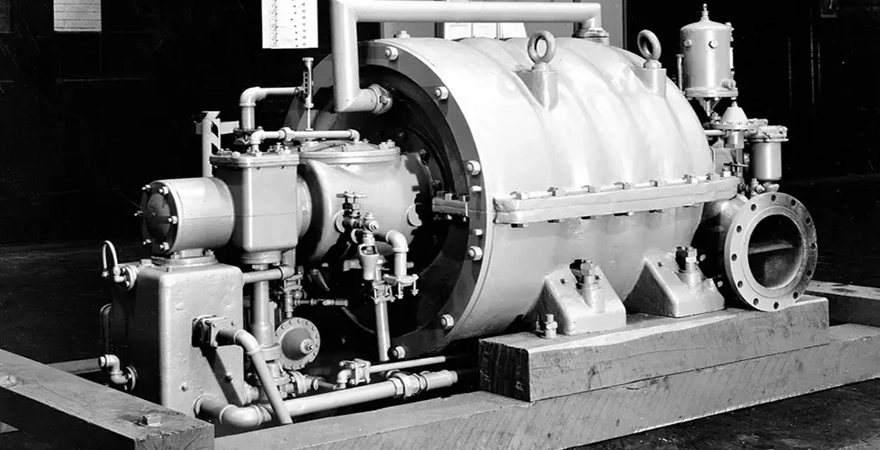
History of Refrigeration
Cooling has been a known need and practice since the very early periods of human history. People have used cooling methods to preserve food and beverages without spoilage, live more comfortably in hot climates, and meet various industrial requirements. The history of cooling has continuously evolved in parallel with technological and scientific developments.
Below are the key periods in the history of cooling:
Ancient Periods: Civilizations such as Ancient Egypt, China, India, and Mesopotamia used water and wind for cooling during hot seasons. In these periods, cold rooms were built using ice, chilled water, and cool underground water sources.
Middle Ages: During the Middle Ages, the use of ice pits and ice houses was common in Europe and the Middle East. Ice collected during winter months was covered with straw and other insulating materials to provide cooling during the summer.
18th Century: In the 18th century, British chemist William Cullen designed a vapor-compression system, which is considered one of the earliest mechanical cooling devices in the history of refrigeration.
19th Century: In the 19th century, refrigeration technology made significant progress. American inventor Oliver Evans designed a vapor-powered refrigeration machine. However, this technology was still far from achieving commercial success.
1850s: In 1851, American physician and scientist John Gorrie designed a mechanical ice-making machine to cool his patients and help prevent the effects of malaria. This invention laid the foundation for modern air conditioning and refrigeration systems.
20th Century: In the 20th century, refrigeration technology advanced rapidly and expanded into many different applications. Cooling systems became widely used in homes and workplaces, food production and storage, the pharmaceutical industry, supermarket cold chains, industrial processes, and many other areas.
Today: Today, cooling technology has become increasingly efficient, environmentally friendly, and innovative. Advanced technologies now provide energy-saving and sustainable cooling solutions that minimize environmental impact.
Developing technology and increasing demand have driven continuous research and development in the field of cooling. Cooling technology has become an indispensable part of modern life and plays a vital role in many sectors.