Food and beverage cooling systems are commonly used in establishments such as restaurants, markets, supermarkets, hotels, and the food industry. These systems ensure the fresh and safe storage of food and beverages. Here are some commonly used food and beverage cooling systems:
Industrial Cooling Warehouses: Large-scale food businesses use industrial cooling warehouses to meet their storage needs. These warehouses are designed to store food and beverages over a wide area at specific temperatures.
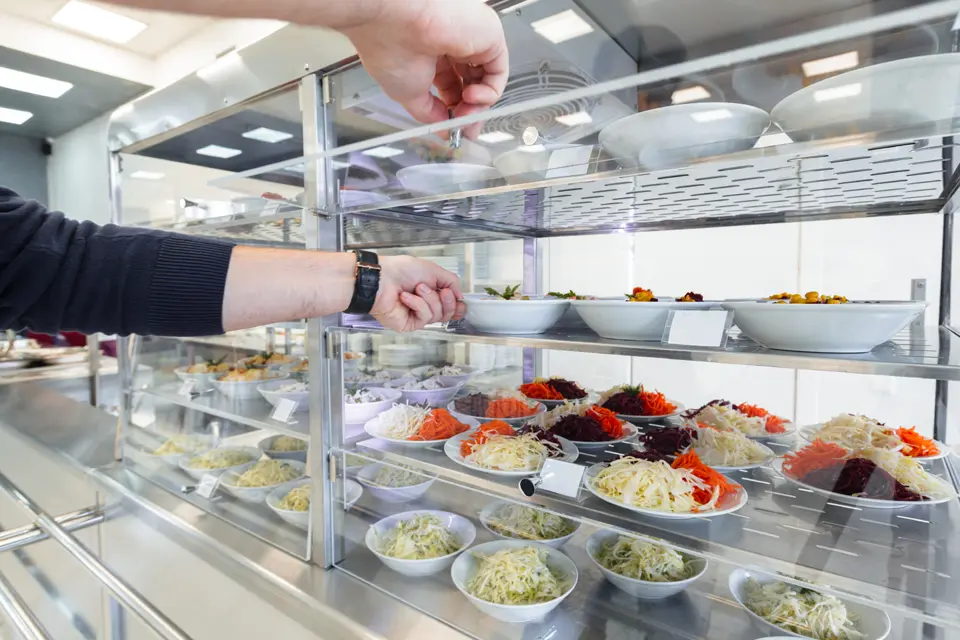
Display Cases and Cooling Counters: Display cases and cooling counters commonly used in markets, bakeries, and cafes are used to cool products for display and sale. These systems allow customers to see and choose products while keeping them fresh.
Air Curtain Cooling Systems: Air curtain cooling systems used in large markets and supermarkets help keep products cold in open shelf areas. These systems maintain product freshness by providing energy savings and reducing the influx of hot air from outside.
In addition to these systems, there are more complex and customized cooling systems designed to meet the specific storage and processing requirements of the food industry.
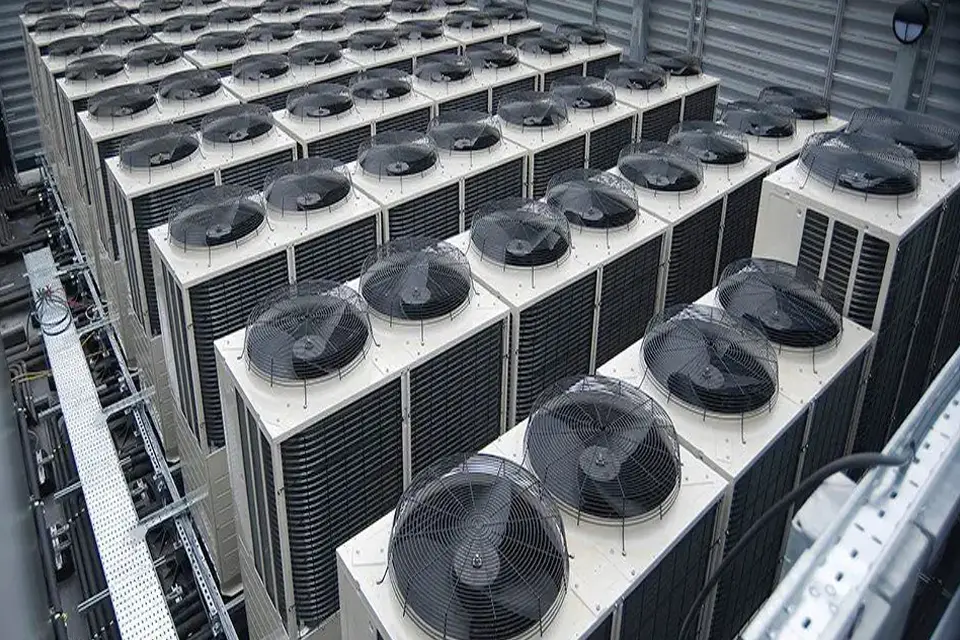
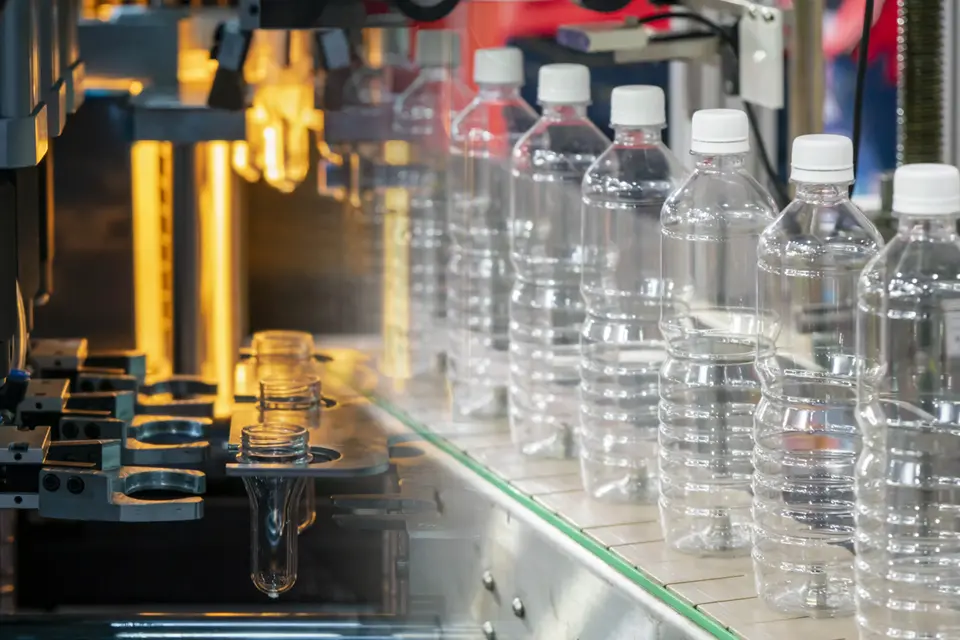
In food and beverage processing, a chiller can remove process heat through a suitable secondary fluid. Product-contact hygiene, materials and cleanability require a separate design assessment. A chiller alone does not establish hygienic process compliance or food safety certification.
Pre-quotation checklist
Product, batch mass and initial/target temperatures
Cooling time and continuous or batch operation
Separation of product and technical water circuits
Heat exchanger, fluid composition and cleaning requirements
Frequently asked questions
How is batch cooling load estimated?
For sensible cooling, energy is approximately m × cp × ΔT. Divide this energy by the cooling time to estimate average load; assess phase change and equipment/environmental heat separately.
Can ordinary process water contact the food product?
That depends on the hygienic process design. Direct contact with technical water must not be assumed.